Daily routines
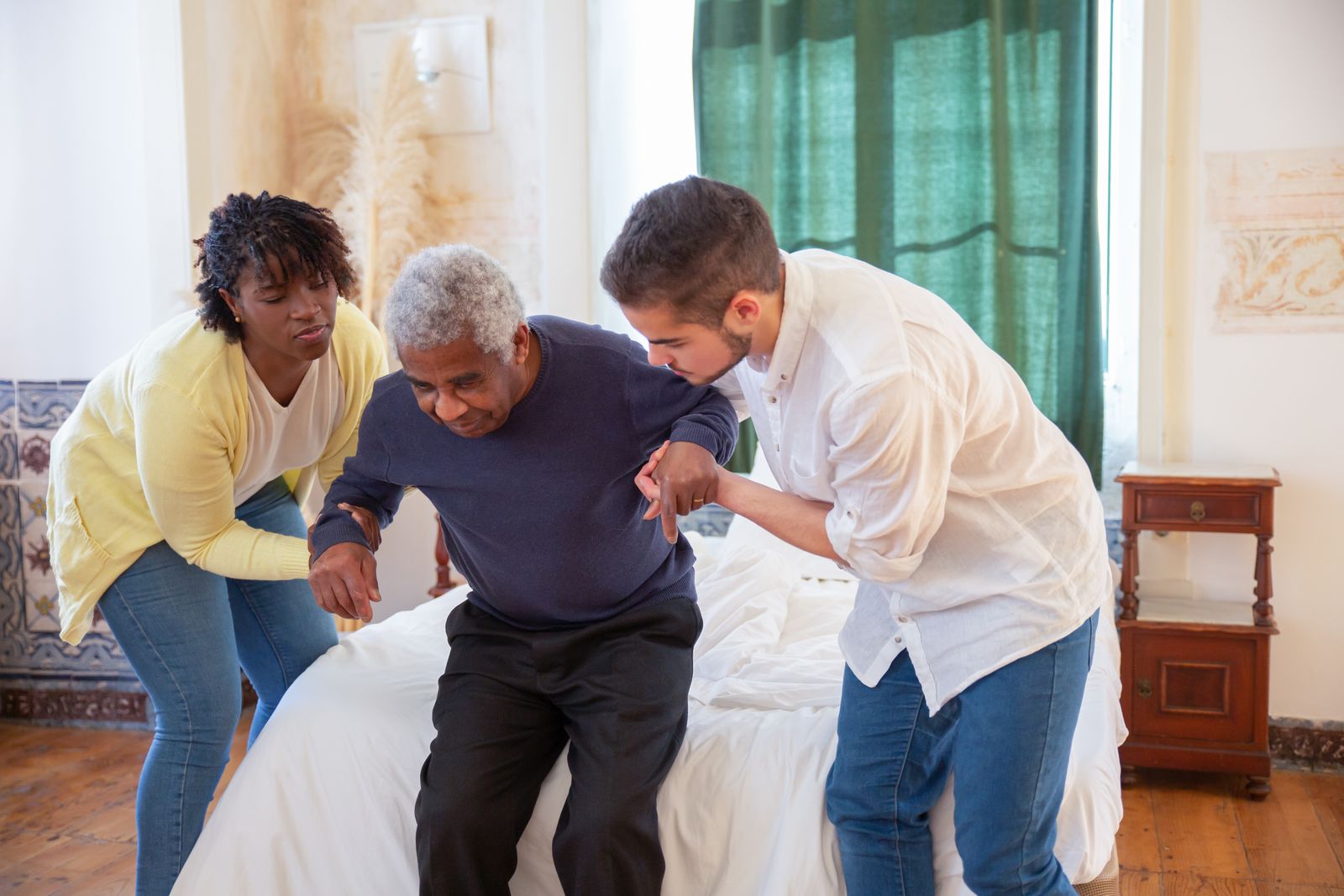
Assistance with personal activities, household routines, meals and day-to-day organisation.
Supported Independent Living
SIL should do more than keep a household running. It should protect stability, honour personal routines and build the confidence and daily living skills that make greater independence possible.
Understanding SIL
Supported Independent Living, often called SIL, is assistance with daily life for eligible NDIS participants who need a significant amount of support while living in a shared or individual home.
SIL funding generally covers the supports delivered in the home. It does not usually pay for rent, groceries, utilities or other everyday living costs. The right arrangement depends on the participant’s NDIS plan, support needs, preferences and any suitable vacancy.
Your SIL journey
We take the time to understand the participant before recommending the next step.
Enquire
Tell us about the participant, preferred location, current living situation, support needs, NDIS funding and ideal move-in timeframe. A participant, nominee or support coordinator can begin the enquiry.
Meet & assess
We meet with the participant and their chosen supporters to understand routines, goals, communication, risks, accessibility needs, required staffing and what a good home environment looks like.
Match
Where a suitable vacancy and support arrangement are available, we consider location, accessibility, routines, compatibility and support requirements. The participant has the opportunity to ask questions and decide whether the match feels right.
Move in
We agree on the service arrangements, transition plan, key contacts and first-week supports. After move-in, we keep communicating and adjust support as the participant settles into their new routine.
Support at home
The exact mix of supports is individual and must align with the participant’s assessed needs and funded plan.
Assistance with personal activities, household routines, meals and day-to-day organisation.
Support to develop skills, make choices and take a more active role in everyday life.
Planning and support to maintain relationships, appointments, activities and community participation.
A clear support plan, regular communication and assistance that can adapt as needs change.
Support with cooking, cleaning, laundry, shopping and contributing to a comfortable shared home.
With consent, coordination with family, nominees, support coordinators and relevant professionals.
A thoughtful match
A good SIL arrangement considers the participant’s support level, routines, personality, culture, accessibility, location and preferences. We do not promise a placement before those details have been properly reviewed.
Specialist Disability Accommodation
They can work together, but they are not the same—and participants deserve a clear explanation of both.
Specialist Disability Accommodation, or SDA, is purpose-built or specially modified housing for eligible NDIS participants with extreme functional impairment or very high support needs. It is designed to reduce environmental barriers, improve safety and enable other supports to be delivered more effectively.
SDA funding relates to the home itself. SIL or other daily supports relate to the assistance a participant receives while living there. Eligibility, design category, location, funding and property availability must all be considered before a housing pathway can be confirmed.
An enquiry is the beginning of an assessment and matching process—not a promise of eligibility, funding or a vacancy.
Discuss SIL or SDASIL enquiries
Start with a short enquiry. We will ask about the participant’s location, goals, funding, support requirements and preferred timeframe before discussing the next step.